I told a colleague about the topic of the class I was about to teach and she said, “That sounds really great. Can I sit in?”
So she did, arriving for the second half of class on the first day of the term.
By the time she arrived, we had already gone through a range of topics to introduce the objectives of the class. I gave the students my background and then asked them to fill out a brief survey so I could learn about them and what they know about the course topic – entrepreneurial journalism and news innovation.
Then we discussed their individual responses as a group. It was a wide-ranging conversation, debating whether some news orgs were entrepreneurial as a means of identifying what entrepreneurship and innovation really means. Many students chimed in, probably half the class.
My colleague showed up for the end of that conversation, just as we were moving toward the topic she was interested in – data that revealed where 2024 voters received their information.
“What kind of news products could we build to serve the audience that isn’t currently absorbing traditional journalism?” I asked the students. “Are there lessons from the news orgs we just looked at? Are there systems those orgs are using effectively that legacy media could employ?”
Things got kind of quiet at that point. I thought I had carefully, strategically set up the conversation. But it fell flat!
I had to dance, and then gave the students a 10-minute break.
It was hard to recover from. The last hour of class was pretty blah.
Later that day my colleague said, “That was really interesting. But it’s so strange that the students were so quiet!”
Ironically, three days prior, I had presented at our faculty meeting and I gave tips for how to run an engaging class.
But on this day, I kinda bombed. I immediately started thinking about what I can do better next time.

I’ve been teaching for 25 years now, so I have a bag of tricks that I dig into regularly.
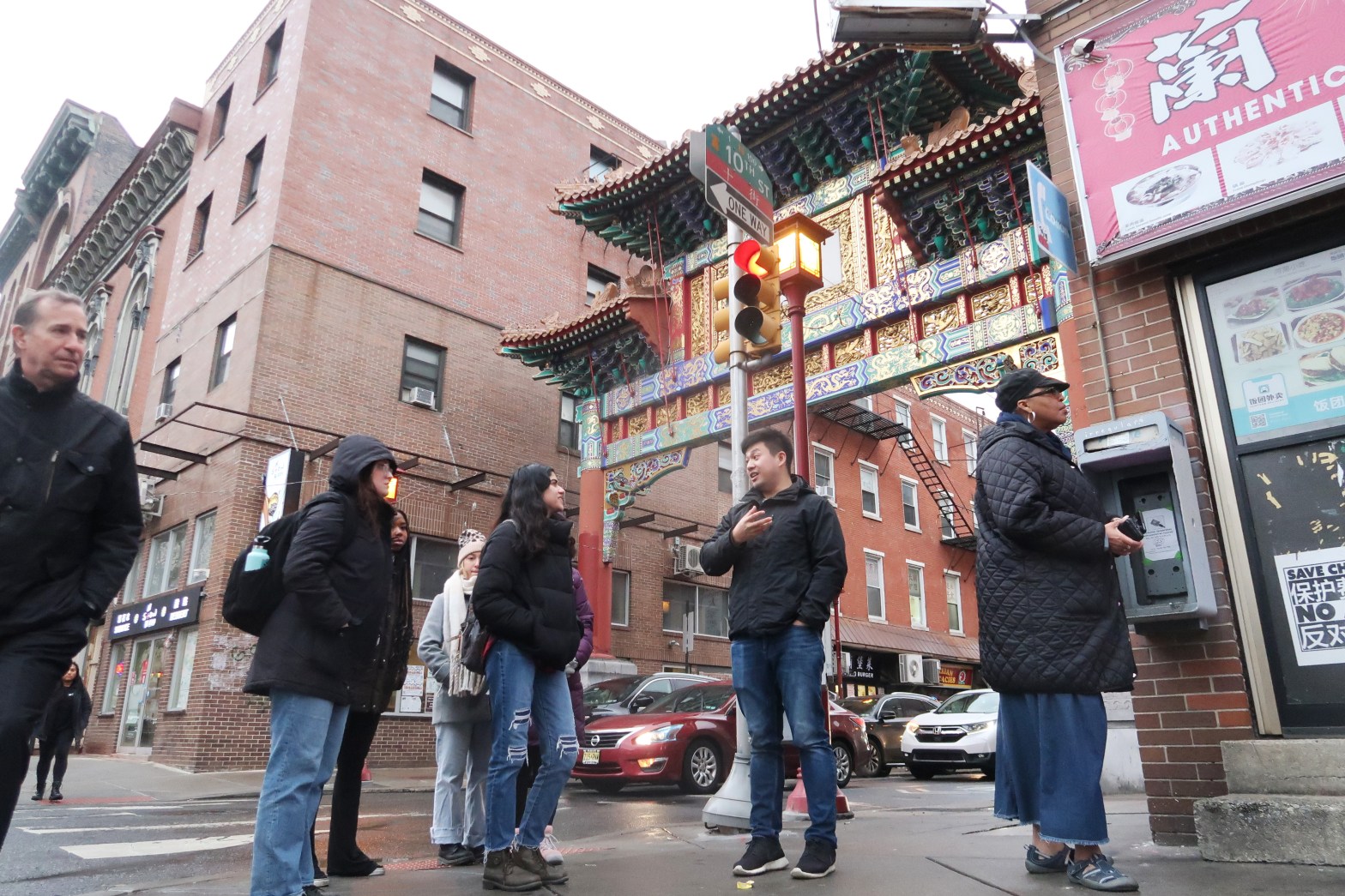
My favorite thing, of course, is to hit the field with students. Whether it’s a reporting, photo, multimedia or any other type of class, it’s great to watch and listen to the students as they gather information.
When I took a crew of students to the UK 15 years ago, we visited Stonehenge and I watched the students making the most boring images. We couldn’t get close to the rock formation so the students took pictures of each other with the rocks in the distance – static images in front of inanimate objects. Their images were lifeless.
So I had the students jump.
That had the students moving and laughing, and they all started making images of each other doing somersaults and jumping jacks. A few laid on the ground so that their classmates appeared even higher in the images.
These were still controlled images, generally not the type of things we’d use in journalism, but it infused the importance of action in images, and it showed students how to be creative in difficult situations. Don’t accept that you can’t make great images. Try different things – angles, perspectives, even prompts to subjects. Make great images happen.
It was super fun, setting the tone for the remainder of our time in England. The students jumped everywhere we went.
I mean, it also set the tone for the rest of my life, but that’s a story for another post.
Teaching in Japan brought unusual challenges. Classes had students from around the world. Many were educated in traditional US schools, where active learning was the norm. But many students were from Japan, where classroom participation is often limited.
In order to get everyone involved, I had to be intentional, and it didn’t always work.
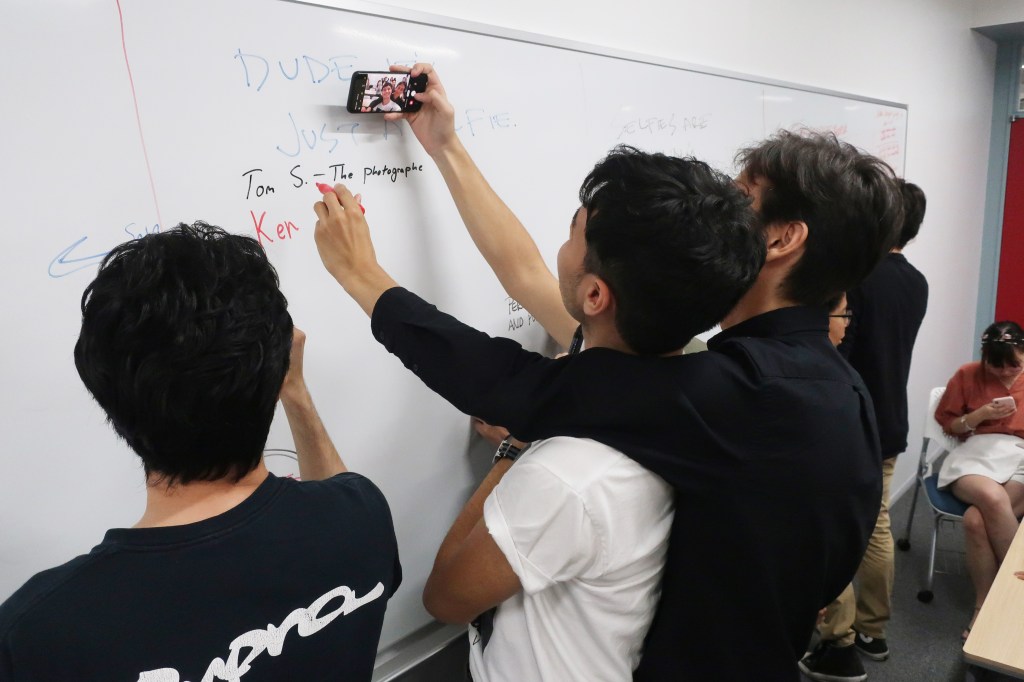
In my Documentary Photography class, I started assigning Susan Sontag’s On Photography, a fascinating but complex text that analyzes photography and its impact on society. I broke the class into six groups and assigned each a chapter.
I gave the students three prompts: Write down the key words and phrases from your chapters; think about how those concepts connect to the images you create; and how can we apply these ideas to our work going forward?
In class, the students met as a group and compared notes, and then they wrote their responses on the whiteboard. Finally, I had the students present their chapters and findings to the group.
It was pretty great. We took this important book of ideas and simplified it for everyone. The students moved around a lot and everyone had a chance to chime in.
For the students, it was just an exercise and they probably don’t remember much about the process. But I think we brought these ideas to life. The exercise worked. What could have been a dreadful slog of a class discussion became a robust conversation that was largely controlled by the students. They learned and then taught their peers.
I felt like the king of the world. It’s still one of the highlights of my teaching life.
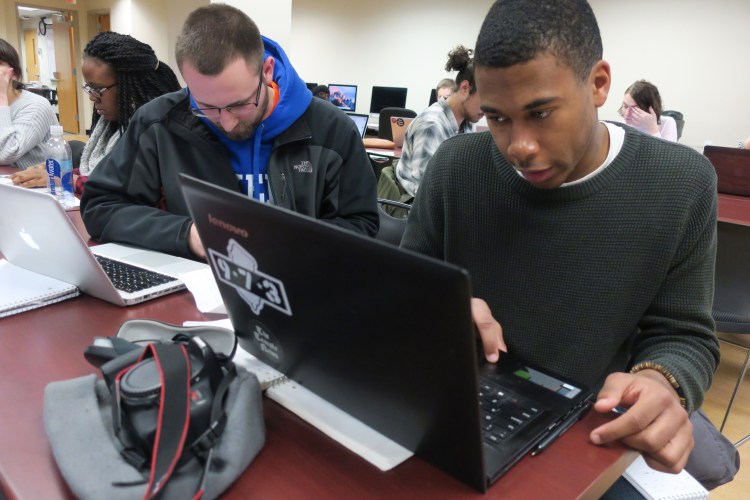
That Sontag exercise was a modified version of think-pair-share, one of the easiest ways to get everyone talking. I use this trick often.
Here are some other things I’ve tried to foster active, participatory learning:
• I like starting classes with a form for students to fill out. I give them a handful of questions and then students write down their answers. That way, I know they all have a response, and no one will panic if they are called on.
• I used to have my magazine-style writing students print out their stories and bring them to class. I’d hand the students a bunch of colored highlighters and ask the students to mark the active verbs with the green highlighter, the passive verbs with pink, adjectives and descriptive phrases in yellow, and quotes in blue.
The end result showed their writing strengths and weaknesses. Are you too pink or overly yellow? Can you make your writing more active, or cut out the flowery language? Are you relying upon adjectives too much, and we don’t hear enough voices?
• I love having students moving around the room, talking to people they don’t always know. So, sometimes I’ll have the students count off (1 through 6) and then have the students meet in small groups according to their shared numbers.
• I like using the whiteboard, and having students share their responses there. Even better, they can write on stickie notes and press them to the walls. Then students can walk around the room and read everyone’s responses.
• In my journalism ethics class last semester, I did a google form with a speed round of ethical questions. It was essentially “What would you do?” I also asked the students how difficult it was to make their decisions. There were no right answers, really. I just wanted to hear the students using the language we had developed during the term. It was so much fun.
I shared my whole form with a colleague who taught another section of the class. When I read through his course evaluations, I noticed students raving about the speed round of ethical questions. They loved it!
• I once had students in a music journalism class debate whether Elvis was the king of rock ‘n’ roll or the ultimate cultural appropriator. I had prepped the students to see both perspectives, to understand who Elvis was and how much he impacted society. Then, on class day, I randomly assigned the students to sides.
It was a blast for about the first 45 minutes, with lots of ideas and opinions flying back and forth. As things started to slow down, one of the students raised their hand and said, “This exercise is flawed. He was both the king and an appropriator.”
The students all chimed in, attacking the exercise, saying my premise was problematic.
I couldn’t have been happier. They applied the ideas we had discussed during the semester. I mean, yeah, they ultimately used their critical thinking against me but it was great to see them digging in.
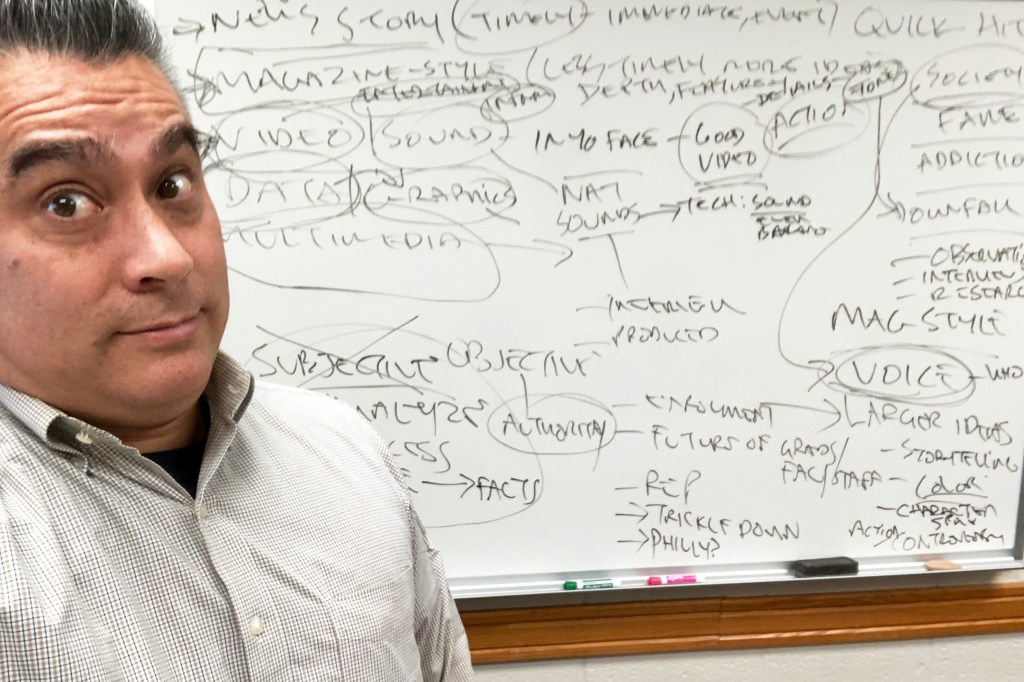
• I really like to write on the board. It doesn’t get the students involved all that much but it gets me moving and it opens up ways for me to make jokes.
I try to use humor as much as possible, usually making fun of myself. The idea is to bring down the temperature and make everyone feel comfortable to talk.
Every comment has a hint of gold that I can shine and use for a larger lesson.
Sometimes, however, you don’t need tricks.
For the second session in my entrepreneurial journalism class this semester, I ran a pretty straight-forward class. I had a solid set of slides that were heavy on images, presenting examples of the concepts the students had read about for the week. No surveys or forms, no group work, and no moving around.
I simply weaved in student responses from the week one survey and asked the students to explain their logic.
We had nice, free-flowing discussions, and I think we tapped into territory I wasn’t expecting (ie does our media-saturated world need more news products to serve people?). It was fun and the students had me thinking.
As we neared the end of class, I could hear the students in the next room applauding at the end of their session. Like, it was such a good class session, the students clapped their hands for their professor as though she had just landed a plane. I jokingly remarked, “Dang. You guys didn’t clap for me at the end of class last week!”
I made a mental note to track down that professor to find out what she did that day. I need to steal her tricks!
A few minutes later, when my class ended, one student clapped, having fun at my expense. I loved it.
 G.W. Miller III
I needed a break from scrolling through the news cycle. Thought “Let’s see what George has to say” Big takeaway was this “Don’t accept that you can’t make great images. Try different things – angles, perspectives, even prompts to subjects. Make great images happen” Going to grab my camera and take a walk
Also ordered “On Photography” It arrives tomorrow
Thanks for sharing George
LikeLike