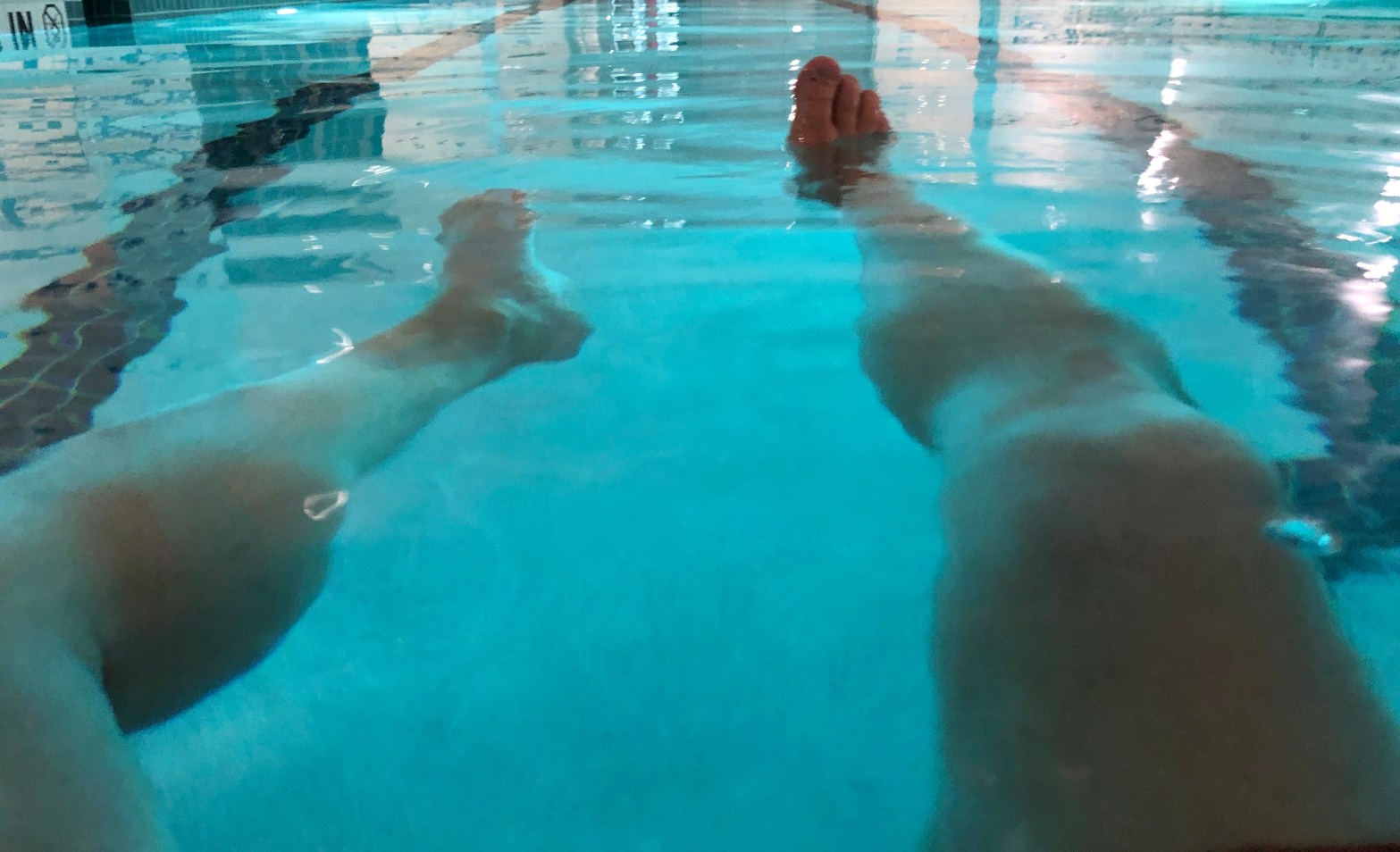
On July 27, a few hours after defending my doctoral dissertation, I went to the pool to chill. I nearly fell asleep in the water.
I had no idea how exhausted I was. It’s a good thing I was on sabbatical this year because I never would have been able to get the dissertation done and raise my son while working the 50 to 60 hours I was putting in every week at my last job posting.
Sabbatical. What a glorious concept.
I’ve led a charmed life, for sure, but stumbling into this year “off” has probably been the best thing that has ever happened to me.
First, a little background.
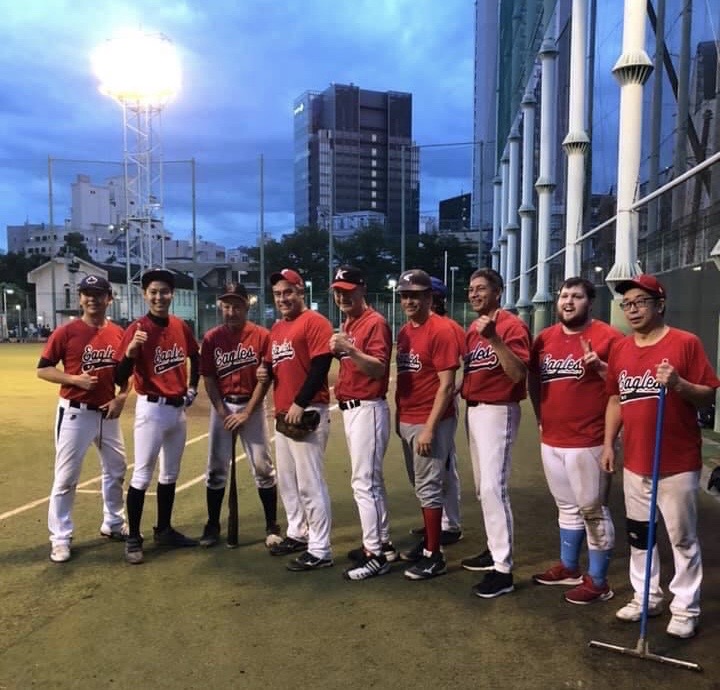
Life was good in Japan, where we lived from 2018 through 2021. I had a good job where I could make a positive impact on students, faculty and staff. It came with a solid paycheck and all the university benefits. We had some friends we really enjoyed and I had a baseball team full of scruffy but lovable characters.
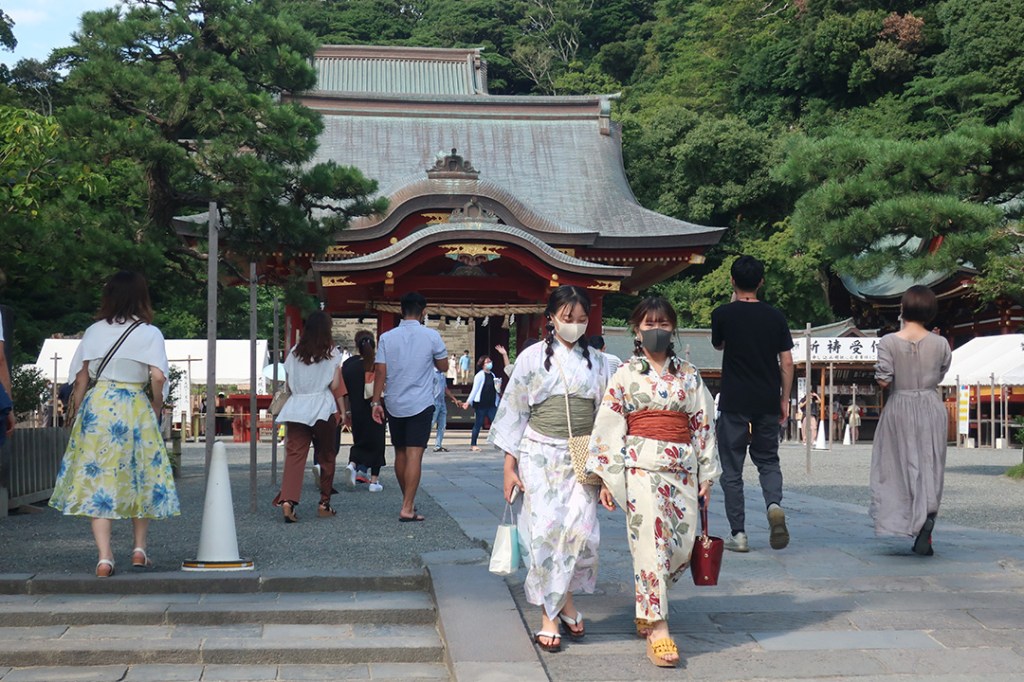
Japan was wicked safe. Like, never in three years did I feel a hint of danger. And despite the pandemic, we were seeing a lot of Tokyo and occasionally exploring the country.
We hadn’t gone out to a bar or restaurant since March 2020 and we hadn’t gone dancing since that February. Shoot, after the initial pandemic semi-lockdown, we barely left the house some weeks. COVID-19 definitely stifled what could have been an amazing adventure – we were planning trips to Vietnam and China, amongst other places.
But life wasn’t bad. Michelle and I had each other and it turned out we got along really well. Maybe too well – we entered 2021 knowing that we had a baby on the way.
That presented a difficult decision.
I was super excited to raise my son in Japan. But the pandemic-inspired border restrictions meant that our parents would not be able to enter the country to meet Kenzo. We had no idea how long that would last, as the pandemic had never been that severe in Japan.
(Side note: the travel restrictions are still in place! It remains difficult for non-Japanese to enter Japan!)
As we were weighing our options, the provost sent my two-year renewal contract. It did not contain any pay raise despite not having one during my first three years in Japan. My heart sunk. The university senior leadership did not value my efforts.
So I opted to return to the main campus in my old teaching gig … after I’d take the sabbatical I had banked.

We bought a condo in Philly with a sweet view. Six weeks after returning, Kenzo was born.
For the first three months of his life, I slept at night in our living room on a futon next to his bassinet. I woke up every three hours to give him a bottle. It was exhausting.
Sleeping in three-hour spurts meant that I was always sleep-deprived. That made it hard to get anything done. I have no idea how people raise children while working. I was so tired, I couldn’t even concentrate on the work I needed to do for my doctoral program. I took off the semester just to catch my breath.
Kenzo eventually moved to sleeping in a crib and then I usually only had to wake up once per night to feed him. Better but still taxing.
Somehow, I managed to interview 40 people and write a 225-page dissertation in about nine months.
It’s wild because most of the past year looked like this:

Clearly, we made the right decision, eh?
My salary dropped from the $140,000 per year I was earning as an associate dean in Japan to around $58,000, which is 2/3 of my teacher pay (as per sabbatical rules). I banked a lot of cash while in Japan, so I tapped into savings to cover mortgage payments and stuff over the past year.
Whatever. I bought a year with my son. That’s priceless.

I had applied for the sabbatical in 2017. The proposed project was a next step for JUMP, the Philly music magazine I published from 2010 through 2018:
I want to develop an annual guide to Philly music – a printed, 124-page book with high quality images and details about bands, venues, promoters, producers, studios and everything involved in the local music scene.
The idea is to create a user’s manual for musicians trying to make it in the constantly changing industry, while also creating a readable, enjoyable product for non-musicians.
I had also applied to the Ed.D program at Temple, hoping to begin the program during the sabbatical year.
We went to Japan instead.
While in Japan, I enrolled in the Ed.D program in higher education leadership at Wilmington University. Temple’s program wasn’t offered online when I began in 2019. I knew about Wilmington because I taught photography there in the 2000s.
I enjoyed the coursework, though it was mostly because my cohort members were so interesting and supportive. I spoke with them about the craziness I was experiencing in senior leadership and they gave me perspective. It was super helpful.
The classes themselves were basic. Some were super engaging, even if the teachers weren’t. Because I was interested in the material and I was finding ways to put new ideas to work, I approached the classes very seriously (even though I spent most class sessions making jokes in the chat).
I found a research area that was perfect for me – university-community relations, specifically from the residential community perspective, with a goal of finding ways for all parties to thrive.
This tapped into my Philly and journalism comfort zones, and fed my interest in understanding how higher education could play a role in lifting cities in this era of crises.

There have been well-documented episodes of tension, like around the proposal of a football stadium on Temple’s North Philly campus and the announced eviction of residents at the University City Townhomes, where anger is rooted in actions taken by the universities in West Philly 50 years ago.
But the level of contempt that people presented to me was astounding. It was everything from disgust with student behavior (noise, trash, general disrespect) to frustration about being displaced from longstanding communities and feeling abandoned by powerful organizations that have prospered while neighborhoods have deteriorated.
“People feel pushed around sometimes, or they feel that the needs of the neighborhood – or at least the desires of the neighborhood, are not heard,” a nonprofit leader in North Philly told me. “They don’t feel listened to.”
The common denominator between the residential and university communities is public safety. Members of the residential community did not appreciate the universities’ responses, which have started with additional policing or patrolling.
“They can put new street monitors, more armed police officers across West Philadelphia and that is their idea of safety,” said a doctoral student at a Philadelphia university. “My idea of safety is having stable, secure housing for working class families. My idea safety is having quality, non-toxic foods for students. I think, having good jobs with strong benefits and support is part of what it means to do community safety. However, I haven’t seen that historically from them, what it really means to sustain communities.”
The long-term solutions, people said, were lacking. And some solutions that have arisen in recent years did more harm to communities than good, such as what happened in West Philadelphia after the University of Pennsylvania partnered with the Philadelphia School District to operate a K-8th grade school. Since then, the racial demographics of the community have changed dramatically.
“I apologize for fulminating,” said a recently retired university professor who had organized literacy workshops in Philadelphia for more than two decades, “but you’re stepping into a very complex social and political miasma. And this is not just true for Philadelphia. You can see the same thing unfolding in Boston, you can see the same thing unfolding in San Francisco. You can see it all over the place.”

That said, there are positive actions occurring, such as weekly meetings between some residential community leaders and some leaders at universities near them. The consistent connection allowed for relationships to be established, which made dealing with spontaneous incidents much easier.
Most community members I spoke with, however, had no idea who to contact for help. They didn’t know that most of the Philly universities have programs designed for them, such as workforce skills classes or financial literacy training.
And they just kept seeing more and more affluent-looking young people moving deeper into their communities, people with opportunities that seem so out of reach for the local residents.

Based upon the interviews, which were also performed with university leaders, I developed a three-pronged approach to improving relationships between university and surrounding residential communities:
• Build equity through good communication.
• Provide non-academic services, including those that will help increase safety.
• Build academic programming and preparedness.
At some universities, many of these things exist. But they aren’t institutionalized in ways that provide for and truly benefit the residential community members.
I went into great detail with each of these ideas as they are massively complex and often far removed from the traditional worlds of academia, which have long revolved around teaching and research. Addressing social needs, especially ones that have historically been provided by governments, is a culture shift for higher education.
The bottom line is this: If the universities don’t try to lift the residential communities that surround them, they will deal with the impact of having desperate people nearby. That will impact enrollment and hiring and overall finances.
At the same time, global birth rates reveal that we are reaching a drop in the number of traditional college age students. Competition for students will be even more fierce over the next generation.
The relatively untapped market for new students is urban high school students. They are often seen as not being eligible due to poor preparation. More than 25% of Philadelphia’s public school students do not graduate from high school, and male students fail at higher rates – about one-third of the male students drop out before completion.
That is unacceptable on so many levels.
I could go on for days about all of this. But I’ll stop.
Now that I’ve finished my doctoral program and the sabbatical is over, I have no idea what to do with my time.
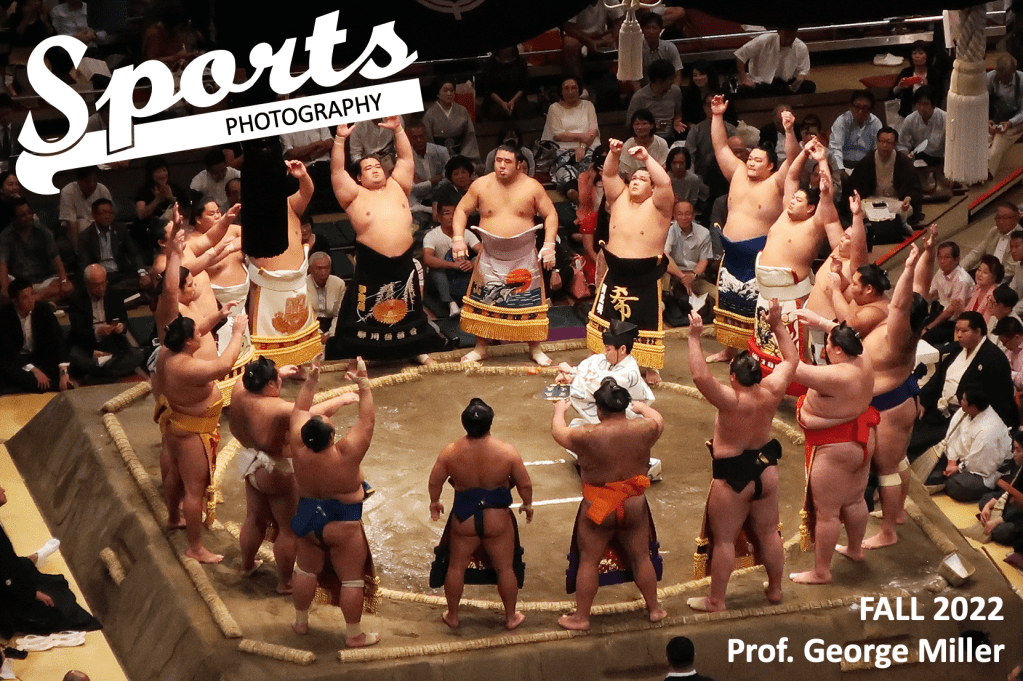
I’m back to teaching, which I love. This semester, in addition to a section of Philadelphia Neighborhoods, I’m teaching two brand new courses, one on sports photography and another on celebrity journalism. The first week of school was a blast.
I’ve spent most of my life having two jobs – teaching and doing journalism, or working and being a student. Before we went to Japan, I was teaching the large lecture hall class, directing Philadelphia Neighborhoods and publishing JUMP, all while serving as the assistant department chair.
My instinct is to jump into another graduate program, or to seek more roles at the university. I want to make an impact.
I’m trying to temper that notion and enjoy the work-life balance.

I’m incredibly grateful for the past year, which was one of the greatest of my life. I raised an amazing child and I did some interesting research that I will put to work, trying to improve the lives of people in Philadelphia.
Who knows what will come along next, you know? Shoot, I never could have imagined the life I’m now leading.
For now, I’m planning my life so that I can be there for my son whenever he needs me.
Being a dad is the best job I’ve ever had.
 G.W. Miller III
Congrats George
LikeLiked by 1 person