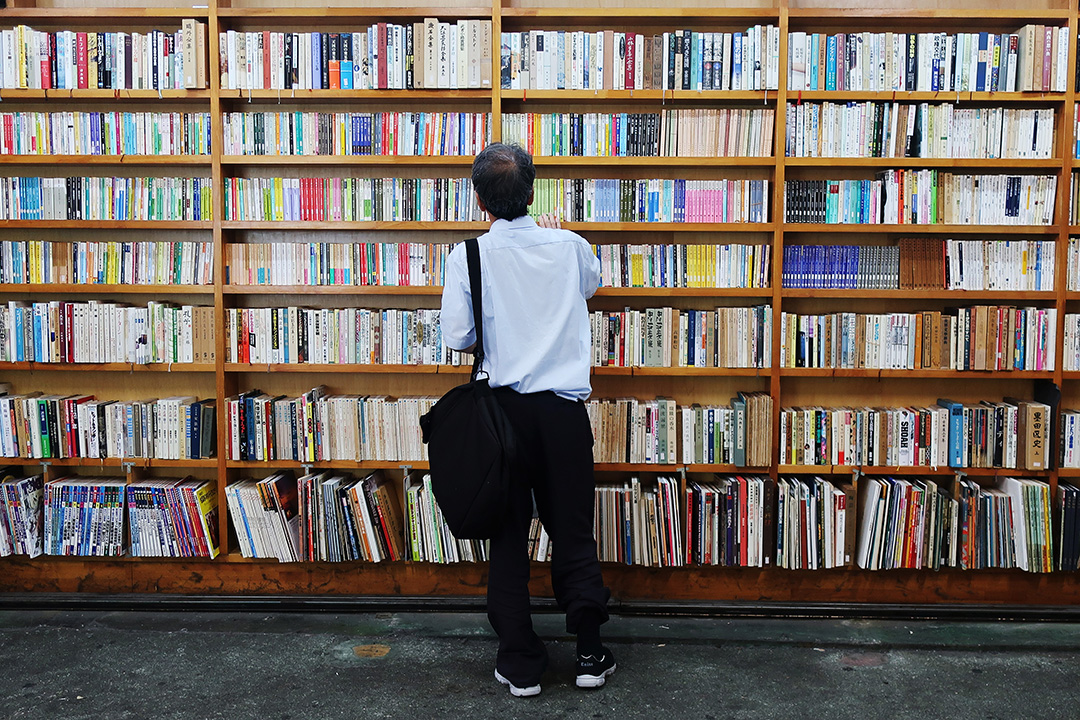
I once took a class in post-modern British literature and I became enamored with the idea of a lineage of writers.
You know, a young Zadie Smith studied at Cambridge and likely read Kazuo Ishiguro, who was likely influenced by Julian Barnes, who was probably influenced by Kingsley Amis and Iris Murdoch, and so on and so on.
Where I had always thought of reading as a solitary exercise, all of the sudden, I felt like I was involved in a time-hopping community of people having a silent conversation. They inspired each other, left subtle notes to each other, and they egged each other on to push boundaries (possibly too much sometimes, in my opinion).
And they introduced worlds to me.
I had always enjoyed reading but ever since taking that class (and a few others), I’ve lost countless glorious hours laying in the park, sitting on the couch or parked under whatever light source I could find while reading novels.
I don’t follow any one particular canon of work, one lineage of writers. Instead, I wander around stores and flip through books, read reviews, take suggestions from friends and otherwise stumble across random books.
There is a path, though. There’s a rationale for why I’ve read stuff. Here’s some of it.
I had a history teacher in high school named Mr. Naughton. He looked like Ernest Hemingway and called himself The Guru. He’d spend classes standing in front of the room, one leg on the chair in front of him, telling tales from the past as though he had experienced them himself.
It was wild. I couldn’t tell if he was delusional or the greatest teacher in the entire world.
One day, he presented Hemingway tales, explaining the sparse, direct storytelling Hemingway employed. I was fascinated. I began reading all these books that I was probably supposed to be reading in English classes.
Over the next five or six years, I moved on to the other Lost Generation writers – John Dos Passos, Gertrude Stein, F. Scott Fitzgerald, etc. But it was less about their writing and more about the locations. Because of them, I became obsessed with Paris and traveling abroad and debating global politics at cafes while drinking espresso in the morning and cava in the evening.
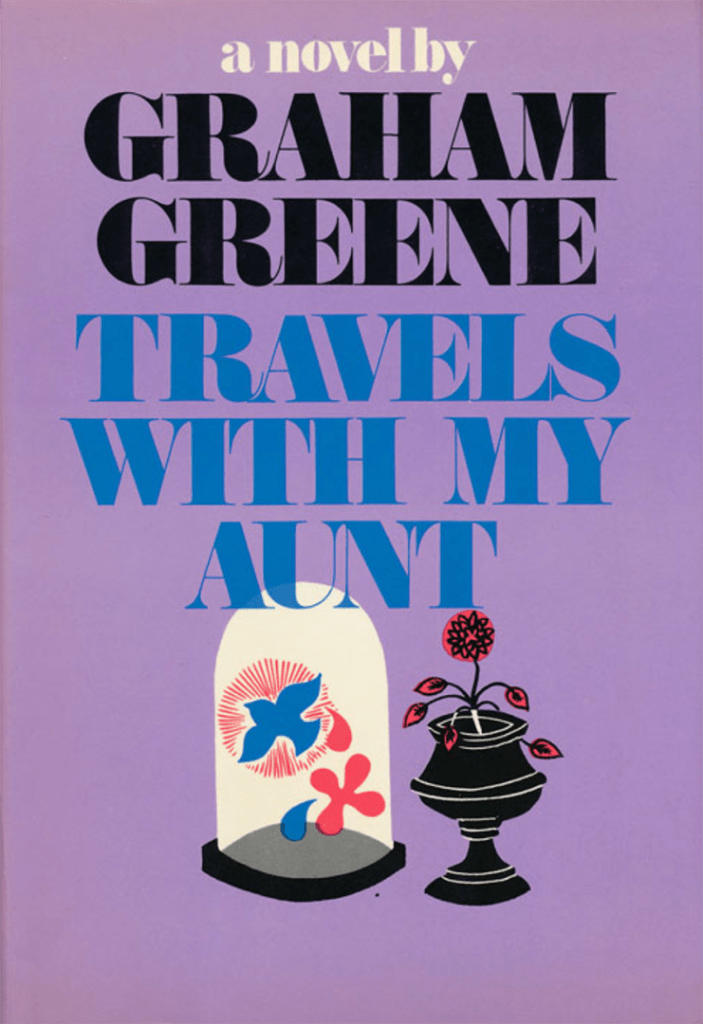
One day after I graduated from college, I went to New York to visit my friend Krista. She had been trying to steer me away from Hemingway for a long time, noting that he was kind of an obnoxious ass. She handed me this Graham Greene novel, “Travels with my Aunt,” and I devoured it.
The novel was absurd – starting at a funeral, with characters bouncing around Europe, leading to a plot twist (that you should see coming), and including random elements of international subterfuge.
I learned that Greene was an Oxford-educated journalist who lived around the world, stationed in different posts because of his job. He brought all of his international experiences to his novels. I was a young journalist then, and Graham Greene became my role model.
Later, Krista told me she found the novel on the subway. So random.
By the mid-90s, I had burned through tons of books that take place in Europe. Graham Greene led me Cuba with the hilarious “Our Man in Havana” and then to Asia with “The Quiet American.” I wanted more global stuff.
I started going to the Borders on Walnut Street in Philly looking for Japanese authors. I spent hours searching in the M, S, T, W and Y sections, as many Japanese last names start with those letters.
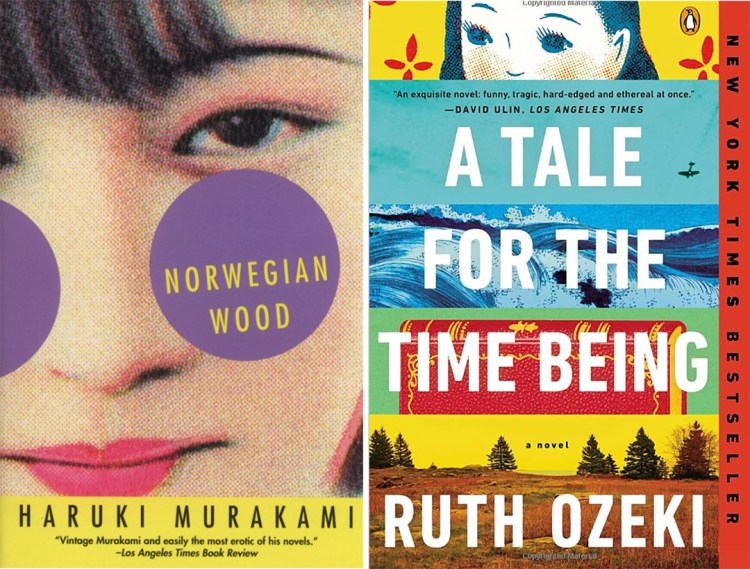
That’s how I discovered Haruki Murakami.
I fell in love with his descriptions of a Japan that was very different from the one I knew. His characters were mostly in the cities, surrounded by Western pop culture. They were haunted by the history of Japan, and tortured in a society that restricted them. I read all his stuff (and continue to do so).
Murakami weaved back in forth in time and I loved that. It wasn’t just about the characters now – there was a path to how they became who they are. I realized that many of the popular novels of the 90s seemed to be similarly epic, crossing generations in non-linear books that spanned 50 or 60 years.
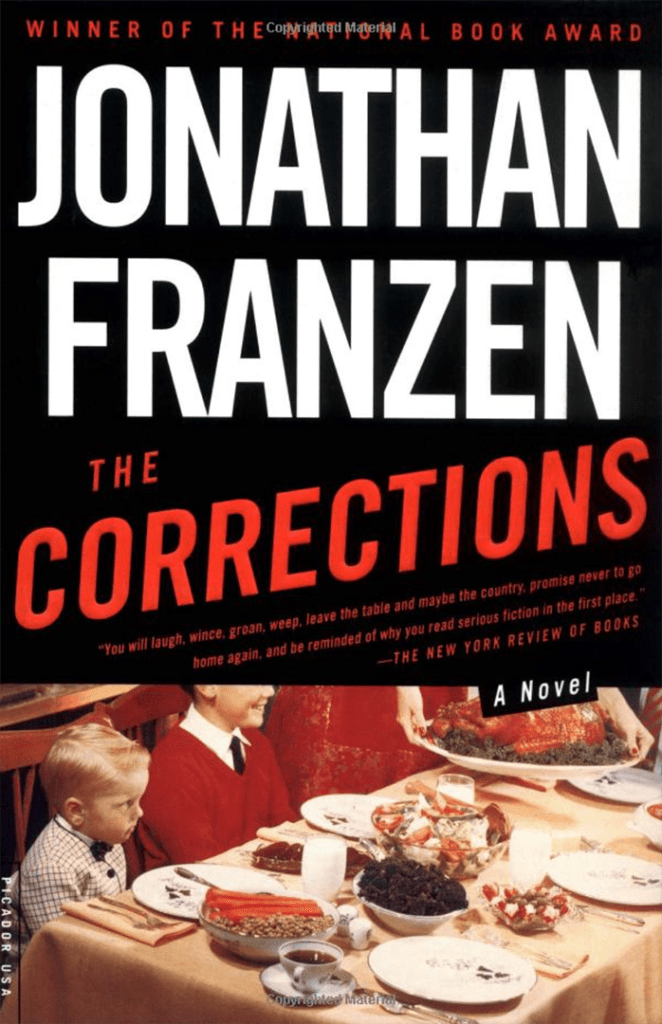
Jonathan Franzen’s “The Corrections” was my favorite of those epic novels. The fact that the book was partly set in Philly helped, as did the hype around Franzen’s dismissal of Oprah Winfrey’s book club. As a person who believes in standing by your principles and has issues with authority figures, the pompous Franzen took on hero status for me.
I tried reading Franzen’s other novels but I didn’t enjoy them as much. Without a direction, I started pulling random novels from wherever I could find them.
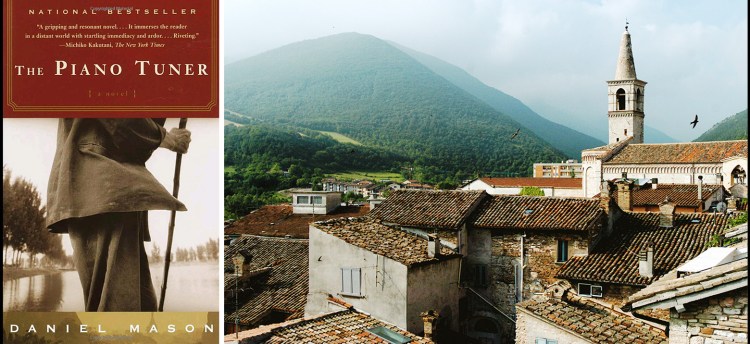
When I was teaching in Cagli, Italy in the early 2000s, I found Daniel Mason’s novel, “The Piano Tuner,” resting on my bed. I shared an apartment that summer with a Jesuit priest, Father Mike. But he said he didn’t put it there.
It was a mystery.
No one in our program knew anything about this book about a piano carried through the jungle of Burma during the middle of the 19th century. It’s an intense first novel about the horrors of the British Empire, written by a random guy who was in med school while writing this.
I gave the book to another professor in the program and it wound up being read by our whole community that summer.
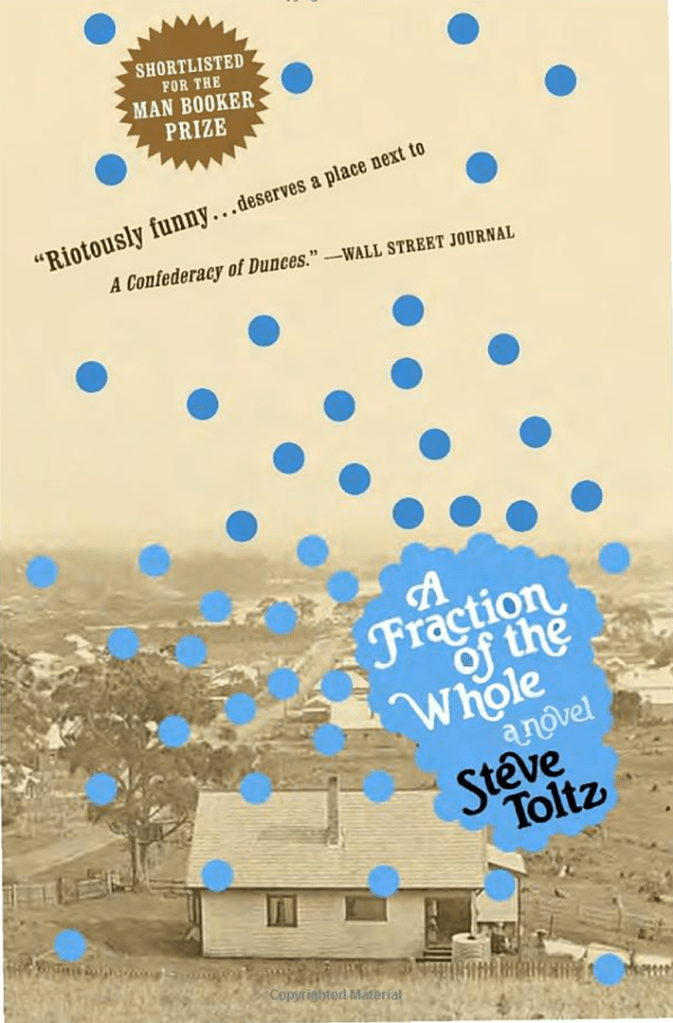
I have no idea how I stumbled across Steve Toltz but it was the buckshot cover that grabbed my attention. When I started reading, I couldn’t put it down.
“A Fraction of the Whole” is an insane, epic saga of an Australian family, with political intrigue, a nationwide scam, international journeys, family struggles and so much more.
I raved about this book that none of my friends had heard of. Finally, Chris Malo borrowed the 700-page book and said he’d read it. He returned it a few weeks later with a gazillion Post-it page markers poking out and at first I thought, “Dude. You messed up my book!” But I realized he devoured it as well, and he read it closely because he wanted to talk about stuff.
Chris has been one of my closest confidantes ever since.
During the summer of 2010, I took 20 students to London for six weeks where we studied British culture as seen through music. We attended concerts and dance parties, met with producers and venue operators, interviewed bouncers and DJs, and generally had the greatest summer ever.
That experience changed my life. We built a music magazine from material we gathered during that time. That was the prototype for JUMP, the music mag I published for the next eight years.
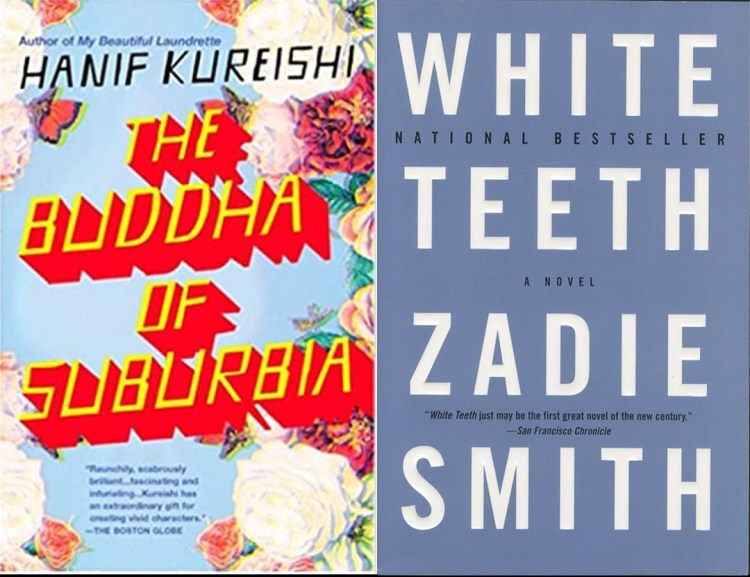
I read Zadie Smith’s “White Teeth” that summer, which was super cool. My class was built around the international feel of London and “White Teeth” embodied that reality. We wandered around Brixton and Southall, and partied on Brick Lane, where the Bangladeshi community in the book lived and worked.
I went into a pretty deep dive into books that take place in the UK after that trip. I read “London Fields” by Martin Amis, “Londonstani” by Gautam Malkani, “The Buddha of Suburbia” by Hanif Kureishi and so many more.
Modern, multicultural London, with it’s amazing street art scene and constant output of musical talent, just seemed like a utopia to me.
Except for the weather and the lack of sunlight in the winter.
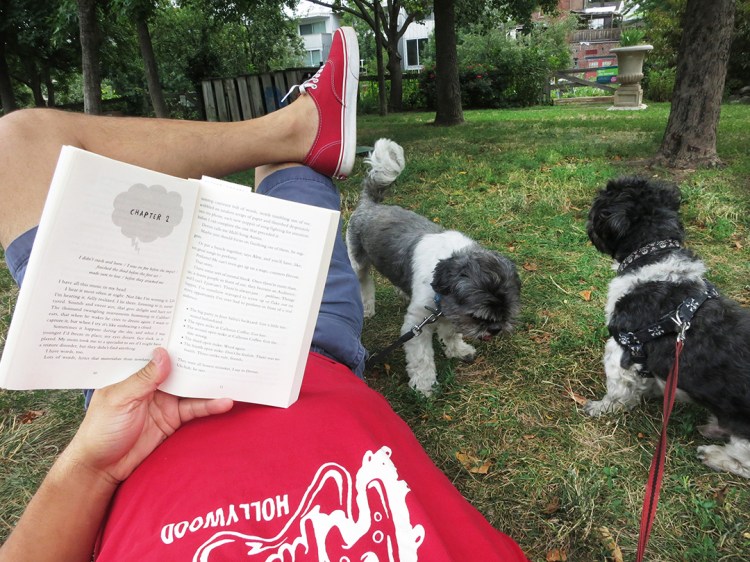
During the 2010s, I was a single man with a dog or two. I was teaching and publishing the magazine and taking care of my grandfather and it was insanely busy. Still, whenever possible, I snuck in time to read, even if was only for 20 minutes while the pups caught their breath in Liberty Lands.
Amazon was dropping off books at the house pretty regularly. I knew I’d never catch up on everything on my bookshelves but I kept ordering more and more and more: Raymond Chandler, Rachel Kushner, JM Coetzee, Chris Cleave, more Murakami, that Ruth Ozeki novel, Paul Beatty (“The Sellout” is one of the funniest books I’ve ever read) and so many others.
Two of the most enjoyable books I read arrived at my house for free, sent by people looking for publicity in the magazine. “The Bad Decisions Playlist” is a young adult coming-of-age novel by a comedian on TV. I loved it so much that I invited the guy to visit my class sometime. Daniel Di Franco, whom I somehow became facebook friends with somewhere along the way, wrote “Panic Years,” which is pretty much the stereotypical band-on-the-road novel. But it’s so sharp and well-written. I finished it right before I moved to Japan in 2018.
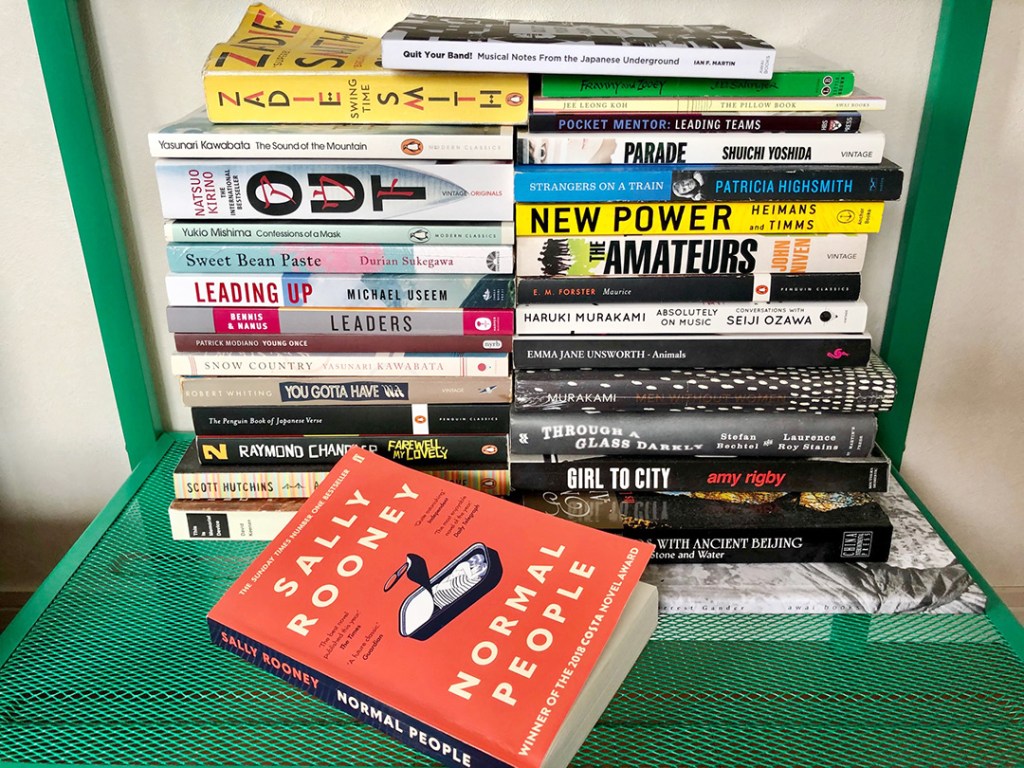
When I prepared to move out of my Northern Liberties home, where I lived for almost 17 years, I gave away most of my stuff – clothes, couches, weight bench, armoire, 20 years of National Geographic magazines, bread maker, desks, chairs, lawn furniture, barbecue grill and a few bookshelves.
I kept the books though. Lots and lots of books.
They are now stacked in 17 huge boxes in my Philly condo, which is now occupied by one of my buddies (sorry, pal).
In Tokyo, I was determined to be better about not amassing tons and tons of books again. I got around that during year one by transporting books to Philly while on business trips.
But, since it’s been a while since I went back home, the collection is growing here.
Fortunately, I find them comforting to be around. They all have stories to tell, and not just in the text.
 G.W. Miller III
One thought on “TL/DR: I Love Books & You Should Too”